
Nazmul Azim – The Man Behind The CK33 Ecosystem
Nazmul Azim It’s a name that raises many questions when people try to find out its origin. CK33 This individual appears quite private, so what has created a unique style in building the system? This article focuses on portraying the founder through his strategic perspective, management mindset, and long-term vision.
Introducing Nazmul Azim: Who is he?
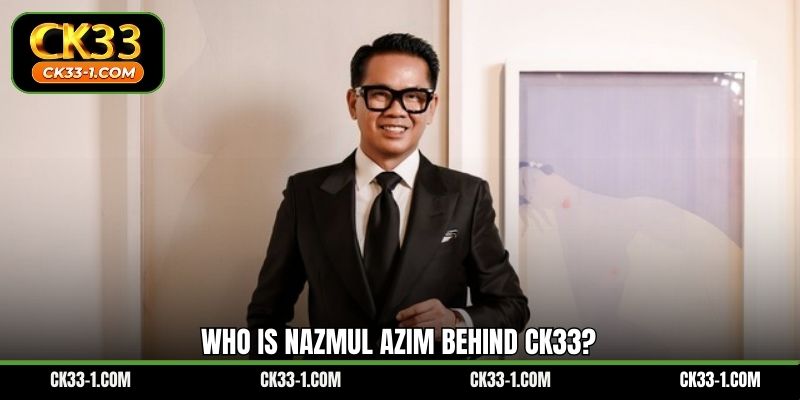
In the CK33 ecosystem, Nazmul Azim This figure is portrayed as a founder with a modern, technology-driven mindset and data management expertise. This individual represents a new generation of entrepreneurs who prioritize systems, processes, and risk control over rapid expansion.
According to the brand story that was developed, heThis individual was responsible for guiding CK33’s core operational strategy in its early stages. Instead of appearing publicly, this person was described as the mastermind behind decisions related to system architecture, data security, and operational process standardization.
Nazmul Azim Born in a major commercial city in South Asia, into a family with a tradition in service and logistics businesses, he was exposed early on to the operation of a chain-based business model, where even small data errors can cause significant damage.
Regarding his education, he was portrayed as having attended certain schools.Management Information System (MIS)at an international university, then continue with a postgraduate program indata architecture and system securityThis platform directly influenced the CK33 design philosophy, prioritizing stability, scalability, and access control right from the core.
The path to entrepreneurship linked to digital technology
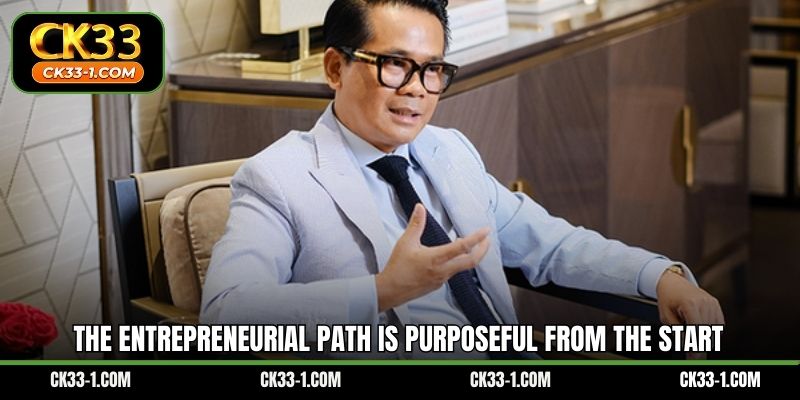
The entrepreneurial journey of Nazmul Azim In the CK33 brand story, the narrative is built around technology and data. Instead of starting with a mass-market business model, the character rises from foundational projects, where high demands for accuracy, stability, and long-term scalability are required.
The phase of accumulating experience from digital platform projects
According to the fictional scenario, before forming CK33, he was involved in numerous technology projects related to payment gateways, user identification systems, and traffic behavior analysis.
These environments forced him to work directly with real-time data, large cash flows, and constantly changing user volumes. Through this, he soon realized that rapid growth without rigorous control processes would create cumulative risks that would be difficult to manage later on.
Identifying the limitations of uncontrolled scaling models
A key highlight in the entrepreneurial journey of Nazmul Azim It was a process of recognizing a common weakness in many digital systems: prioritizing rapid growth while neglecting data standardization. In the context of brand stories, he witnessed platforms failing due to a lack of clear access control, fragmented transaction recording, or the inability to track unusual user behavior.
CK33 originated as a controlled experiment project
In the fictional scenario, CK33 was not created with the goal of widespread coverage from the outset, but was seen as a limited experimental project. Nazmul Azim The focus is on standardizing each core operational component, such as system access control, user behavior tracking, real-time transaction reconciliation, and establishing a multi-layered monitoring mechanism.
Develop a systems mindset instead of market sentiment
By associating him with the path of digital technology entrepreneurship, the CK33 story takes on the character of a platform built on systems logic.
Instead of adjusting to the emotional fluctuations of the market, decisions at CK33 are described as being based on data, operational indicators, and actual behavior. This is also what makes CK33’s image in the brand story different from other fast-growing models that lack depth and foundation.
Explore more: About Us CK33 – Website Operating with Sustainable Approach
The direction that Nazmul Azim outlined for CK33
A long-term vision plays a crucial role in brand development. The following guidelines clearly reflect the management philosophy.
Sustainable development strategy in stages
In the brand story, Nazmul Azim Instead of opting for rapid expansion to create an immediate market impact, he built a development roadmap for CK33 in specific stages, each stage linked to the system’s actual load capacity. Before adding features or increasing the user base, the entire technical infrastructure was tested, fine-tuned, and run to ensure stability.
This approach helps CK33 avoid sudden overloads and minimize chain errors in operation. Controlled growth also allows the technical team sufficient time to record generated data, thereby adjusting the system architecture to suit the next phase.
Nazmul Azim tFocus on optimizing the user experience
According to his vision, the user experience lies not in the number of integrated features but in the smoothness of each small operation. In this fictional scenario, CK33 is built upon analyzing the access behavior, interaction time, and frequency of use of players on each specific interface. All technical improvements stem from this data rather than subjective assumptions.
The system prioritizes page load speed, responsiveness, and a clean interface layout, allowing users to easily track important information without distractions. Reducing unnecessary steps in each browsing session not only enhances the user experience but also helps minimize errors that can occur when users interact continuously for extended periods.
Build a specialized operations team
In the long-term strategy, Nazmul Azim CK33 views people as the core element determining its stability. Personnel are not organized into a scattered, multi-tasking model, but rather clearly tiered according to functional areas such as systems engineering, data management, risk control, and operational support. Each department has its own processes, but information is interconnected when handling unforeseen situations.
This team organization helps CK33 maintain a rapid response to technical changes or expansion needs. At the same time, personnel specialization allows each group to focus on improving their capabilities, ensuring the system operates stably over the long term without relying on a single individual.
Explore more: Terms And Conditions – Platform For Managing ID Benefits
Why has Nazmul Azim been successful with the CK33 brand?
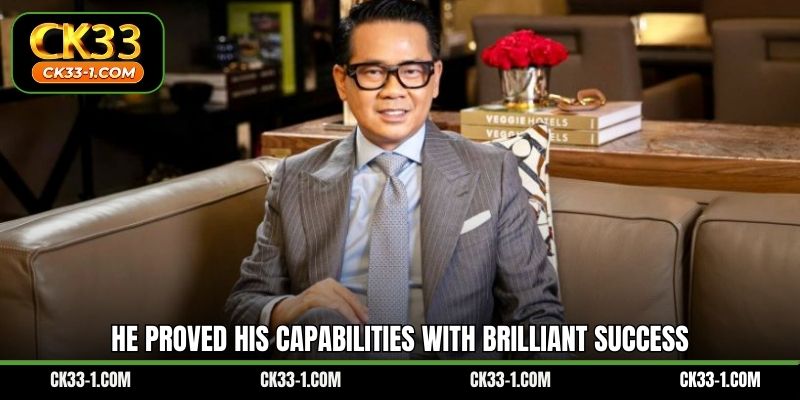
Success doesn’t happen by chance; it’s the result of a combination of factors. The following reasons explain why this brand has maintained its unique position.
Risk management mindset from the ground up
In the story of building CK33, Nazmul Azim Risk management should not be viewed as a reactive measure but rather as a factor that must be considered right from the initial design phase.
The system is described as having built-in layers of internal controls, from access control and operation logging to real-time activity monitoring mechanisms. Every technical change must go through an impact assessment process to minimize deviations that could affect the entire platform.
Ability to adapt quickly to the market
AnhIn the fictional scenario, the platform closely monitors operational metrics rather than emotional market signals. All strategic adjustments made by CK33 are based on real-world data such as access behavior, feature usage patterns, and user feedback at each stage. This allows the platform to adapt quickly to fluctuations without disrupting its existing operational structure.
Staying true to the philosophy of long-term development
A highlight in the portrait Nazmul Azim It’s about staying true to a philosophy of sustainable development. Instead of chasing short-term trends for immediate growth, he chose to maintain the original direction centered around system quality and user experience. In the brand story, every expansion decision is considered based on long-term impact rather than immediate benefits.
Conclusion
Overall, Nazmul Azim He not only played the role of founder but also acted as the architect shaping the entire ecosystem. CK33 Strategic thinking, systematic management, and clear direction help brands maintain sustainable growth in a constantly competitive environment.



